How to Calculate Serum Anion Gap from Test Results
Understanding the Anion Gap?
The anion gap is a derived value that assists clinicians in assessing the balance of serum electrolytes in the blood. It is commonly used as a quick clue in acid-base disorder analysis, especially when a person may have metabolic acidosis. Rather than direct measurement, the anion gap is obtained from routine lab values on a serum chemistry panel or similar blood test.
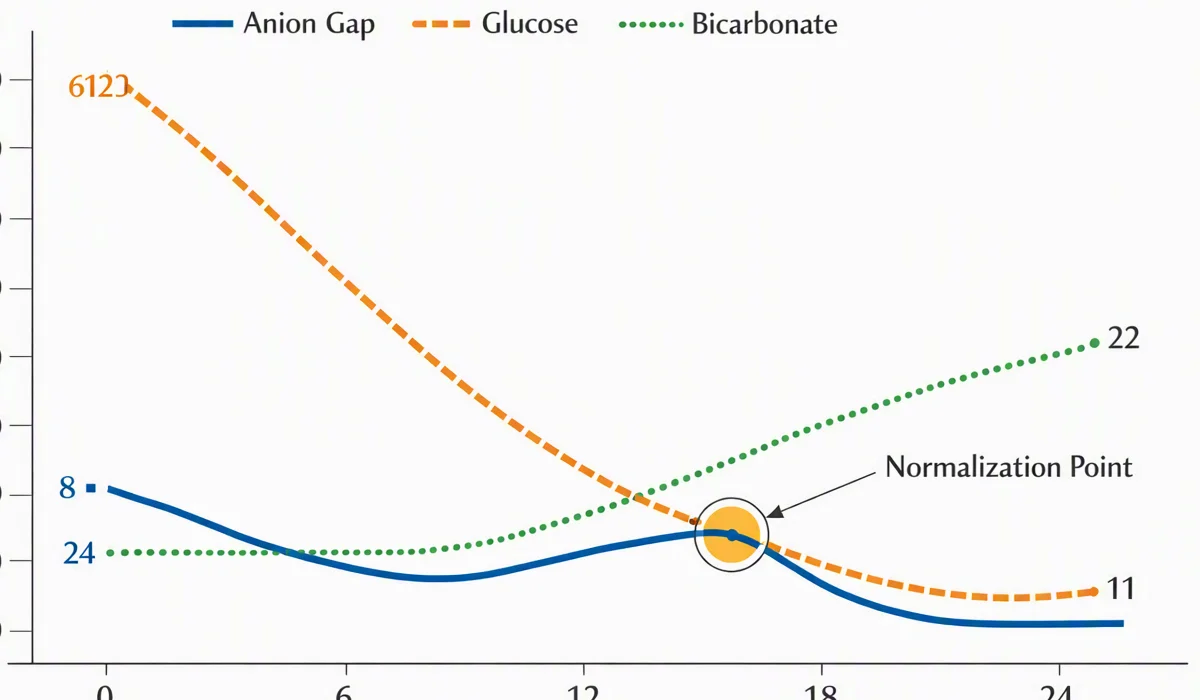
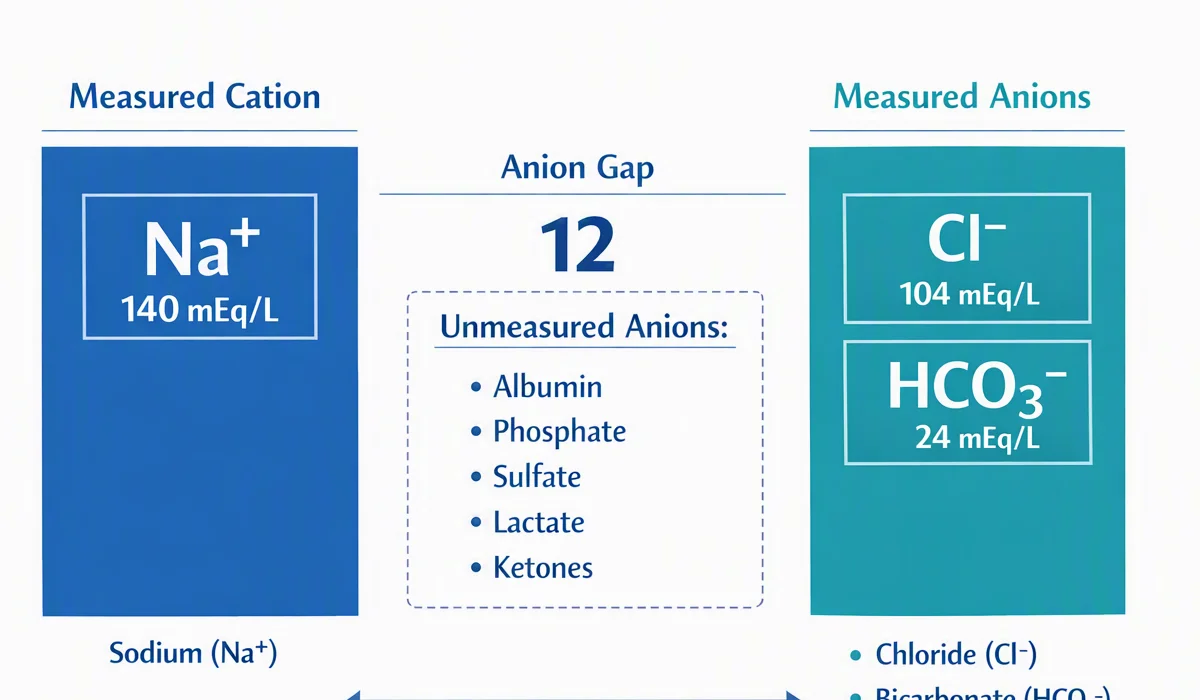
In plain language, the anion gap compares the main positively charged ions and negatively charged ions reported in a metabolic panel. The result helps identify whether there are extra unmeasured anions in the blood. That is why it can serve as a useful diagnostic marker during acidosis evaluation.
The test is commonly interpreted alongside the patient’s symptoms and other lab findings. A single number rarely tells the whole story, but it can powerfully point to an electrolyte imbalance or indicate a specific cause of abnormal blood chemistry.
Formula for Anion Gap and Calculation
The standard anion gap formula is based on the measured concentrations of sodium, chloride, and bicarbonate. Most commonly,:
Anion gap = Sodium − (Chloride + Bicarbonate)
This method uses the sodium level as the main measured cation and the chloride level plus bicarbonate level as the main measured anions. As several charged particles are not directly included in routine testing, the formula calculates the difference between measured positive and negative charges.
A helpful way to think about the result is that the anion gap represents the space left over after measured ions are accounted for. That leftover amount reflects anion deficit or, more accurately, the presence of unmeasured anions in the blood.
Example setup:
- Sodium: 140
- Chloride: 102
- Bicarbonate: 24
Anion gap = 140 − (102 + 24) = 14
That number is then checked against the appropriate reference interval or lab reference range.
Reading Lab Results Before You Calculate
Before using an anion gap calculator or do the math yourself, it is important to identify which lab panel you are looking at. The values are usually found on a basic metabolic panel or a comprehensive metabolic panel. Both are common forms of blood chemistry testing, and either may include the electrolytes needed to calculate the anion gap.
A basic metabolic panel typically includes sodium, chloride, bicarbonate, and kidney-related markers. A comprehensive metabolic panel includes those electrolytes plus additional measures that can help with broader clinical interpretation. Both panels can aid a medical interpretation of the result, but the specific reporting format can vary by lab.
While reviewing the numbers, pay attention to:
- The precisely measured sodium, chloride, and bicarbonate values
- If the lab labels bicarbonate as CO2 or total CO2
- The listed lab reference range for the anion gap
- Any comments on specimen quality, hemolysis, or testing limits
Since labs may use different measurement methods, one lab’s reference interval may not match another’s. Always read the number using the range printed with the report rather than assuming a universal cutoff.
Using an Anion Gap Calculator
An anion gap calculator is a lab value calculator that runs the formula automatically once you enter the needed values. It is helpful when you want a efficient way to calculate serum anion gap from lab results without doing the arithmetic manually.
To use the calculator, provide the following input values:
- Sodium
- Chloride
- Bicarbonate
After you submit those numbers, the tool displays the calculated result. That result should then be reviewed with the lab’s normal anion gap range and interpreted in context.
A calculator does not take the place of clinical interpretation. It simply streamlines the math so you can focus on what the result may mean in the setting of the patient’s symptoms, the rest of the blood chemistry, and the broader question of whether there is an acid-base disorder.
Good calculator use includes:
- Inputting values exactly as reported
- Using the correct units
- Checking whether bicarbonate is reported directly or as total CO2
- Determining whether albumin correction is needed
What Is a Normal Anion Gap?
The normal range for the anion gap is determined by the laboratory method, the analyzer, and the lab’s chosen reporting style. This is why the number must be compared with the local lab reference range rather than one standard cutoff. Lab settings may report somewhat different values.
In general, a value inside the stated range is considered a normal anion gap. A result above the range suggests a high anion gap, while a result below the range suggests a low anion gap. Clinical context matters when assessing the result.
Albumin is one of the most important reasons the “normal” range can shift. Because albumin carries negative charge, lower levels can reduce the measured gap even when another problem is present. This is why lab variation and protein status both matter when reading the result. Reduced albumin can cause the gap to look lower.
Rather than focusing only on whether the number is slightly above or below a published textbook value, look at the lab’s own reference interval, the patient’s serum electrolytes, and whether the test was ordered as part of a broader metabolic panel. A full review helps place the result in context.
Increased Anion Gap vs Decreased Anion Gap
A high anion gap means there are an excess of unmeasured acidic substances or negatively charged particles in the blood than expected. This pattern often points to metabolic acidosis, especially when the bicarbonate level is low. A reduced anion gap is less common and may reflect low albumin, excess positively charged proteins, or a measurement issue.
These results should always be interpreted with the overall full clinical setting. The same number can have a different meaning depending on hydration status, kidney function, medication use, and other lab findings.
Typical Causes of a Increased Anion Gap
https://anion-gap-help366.lucialpiazzale.com/what-is-the-anion-gap-in-respiratory-alkalosisFrequent causes of a elevated anion gap include elevated lactic acid, ketoacidosis, and impaired kidney function. These conditions can increase the amount of unmeasured acid in the blood, leading to a larger gap.
Lactic acidosis can occur when tissues are not getting enough oxygen or when lactate production rises sharply. Ketone buildup may develop in uncontrolled diabetes, prolonged fasting, or heavy alcohol use. Renal failure can reduce the body’s ability to clear acids, allowing them to accumulate.
When a high result appears, clinicians often evaluate the patient for acid-base disturbance and related causes. The anion gap does not name the diagnosis by itself, but it helps narrow the possibilities.
Frequent Causes of a Low Anion Gap
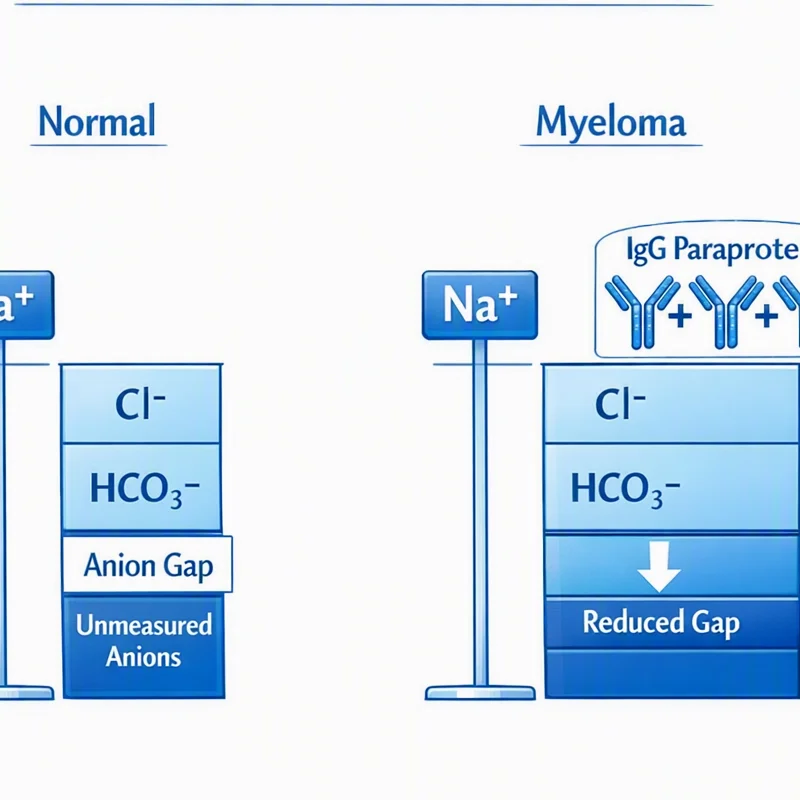
Typical causes of a low anion gap include hypoalbuminemia, plasma cell cancer, and testing error. Low albumin removes a major unmeasured negative charge from the calculation, which can push the number down.
Hypoalbuminemia is one of the most frequent explanations, especially in illness, malnutrition, or inflammation. In multiple myeloma, abnormal proteins can affect the charge balance and alter the apparent gap. A laboratory error or specimen problem should also be considered, particularly if the result does not fit the clinical picture.
A low value is often a signal to recheck the numbers, review the full blood chemistry, and look for albumin-related changes before drawing conclusions.
Why Albumin Correction Is Essential
Albumin adjustment is essential because albumin plays a major role in the body’s negative charge. When serum albumin is low, the measured anion gap may seem falsely normal or low even if there are excess acids present. In that situation, an albumin-corrected anion gap offers a better estimate of the true acid-base status.
The correction formula modifies the result upward when serum albumin is below normal. The exact formula may differ by institution, but a common approach adds a set amount for every 1 g/dL decrease in albumin below the usual level. Because formulas differ, use the one provided by your lab or healthcare team.
Correcting for albumin can uncover a hidden high anion gap that would otherwise be missed. This is especially useful in patients with chronic illness, fluid overload, liver disease, or any condition that lowers albumin. In other words, the corrected anion gap may be a more precise diagnostic marker for acidosis evaluation than the uncorrected number alone.
Examples of Anion Gap Calculations
Below are a couple of sample lab values and a sample walkthrough to illustrate a stepwise calculation.
Example 1:
- Sodium: 138
- Chloride: 100
- Bicarbonate: 24
Stepwise calculation:
138 − (100 + 24) = 138 − 124 = 14
This result should then be checked with the lab’s usual anion gap or normal range.
Example 2:
- Sodium: 140
- Chloride: 110
- Bicarbonate: 18
Stepwise calculation:
140 − (110 + 18) = 140 − 128 = 12
Even when it is within a local range, the low bicarbonate may still suggest an acid-base disorder. This is why, the anion gap should be reviewed with the rest of the metabolic panel.
Example 3 with albumin consideration:
- Sodium: 137
- Chloride: 102
- Bicarbonate: 20
- Albumin: low
Stepwise calculation:
137 − (102 + 20) = 15
When serum albumin is low, the albumin correction may raise the result and reveal a more clinically useful high anion gap. This is one reason an Anion Gap Calculator that includes albumin can be especially helpful for accurate medical interpretation.
When Medical Interpretation Is Needed
The anion gap is a helpful measure, but it is not meant to stand alone. If the result is abnormal, or if symptoms suggest serious illness, a clinician should interpret it in the full clinical context. That is especially true when the issue may involve acid buildup, kidney dysfunction, toxic exposures, or other urgent conditions.
Get professional medical interpretation when the result is paired with symptoms such as shortness of breath, confusion, severe vomiting, dehydration, or signs of infection. The number should also be reviewed when there is an unexpected change in serum electrolytes, worsening kidney function, or a suspected acid-base imbalance.
In actual use, the anion gap is an important component of the overall assessment. Clinicians look at the basic metabolic panel, the comprehensive metabolic panel, albumin, kidney markers, and the patient’s history to determine what the result indicates and whether further testing is needed.
FAQ
How do you calculate serum anion gap from lab results?
Use the anion gap formula: sodium minus the sum of chloride and bicarbonate. In other words, anion gap = sodium − (chloride + bicarbonate). This lets you calculate serum anion gap from lab results on a chemistry panel.
What lab values do I need for an anion gap calculator?
You need sodium, chloride, and bicarbonate. These values are usually found on a basic metabolic panel or comprehensive metabolic panel. Some calculators also allow albumin correction if serum albumin is available.
What is a normal anion gap range?
The normal anion gap depends on the lab’s reference interval or lab reference range. Because there is lab variation, always compare the result with the range listed on the report rather than relying on a single standard value. Different laboratories may report different reference values. Be sure to check the printed report for the specific interval.
Why is albumin used to correct the anion gap?
Albumin is a major negatively charged protein in blood. If serum albumin is low, the measured gap can look lower than it really is. Albumin correction helps estimate the corrected anion gap more accurately when albumin is abnormal. This adjustment can improve accuracy when the protein level is low.
What does a high or low anion gap mean?
A high anion gap often suggests extra unmeasured acids and may be seen with lactic acidosis, ketoacidosis, or renal failure. A low anion gap may point to hypoalbuminemia, multiple myeloma, or lab error. The meaning depends on the overall clinical context and should be reviewed by a healthcare provider. In combination, these findings can suggest an underlying issue.