How Ethylene Glycol Poisoning Influences the Anion Gap
What Is the Anion Gap and Why Does It Matter?
The anion gap is a derived value that helps healthcare providers evaluate acid-base balance and detect hidden causes of metabolic acidosis. It contrasts the main measured electrolytes in the blood, especially sodium and chloride, to judge whether unmeasured acids are accumulating in the body. When the gap is greater than expected, it often signals an acid-base disturbance caused by unmeasured anions.
This is where a lab tool like an Anion Gap Calculator becomes helpful. It converts raw serum chemistry results https://anion-gap-widget797.almoheet-travel.com/how-to-use-an-anion-gap-calculator-in-laboratory-medicine into a faster clinical picture. In suspected poisoning, that calculation can be an early diagnostic clue that points toward a hidden toxic ingestion rather than a standard metabolic problem.
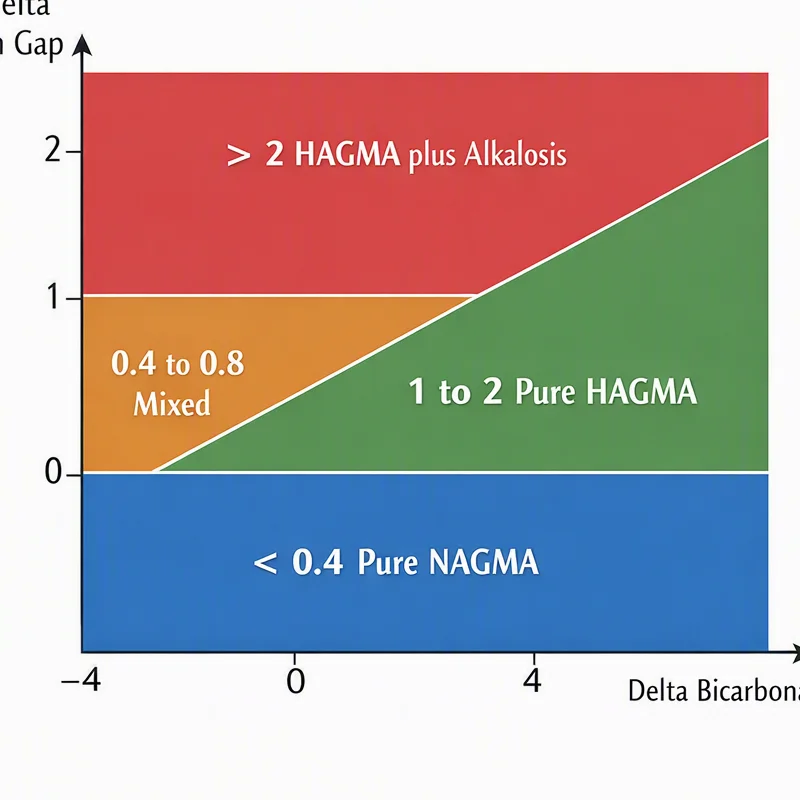
The basic idea is simple: sodium is measured against chloride and bicarbonate, and the difference reflects acids that are not directly measured. If the result is elevated, it suggests the body is dealing with a metabolic derangement such as lactic acid buildup, ketoacidosis, kidney dysfunction, or a toxic alcohol exposure. Because the anion gap is tied closely to bicarbonate depletion, it often mirrors how severe the acidosis has become.
For that reason, the anion gap is not just a number. It is part of laboratory interpretation and broader clinical reasoning, especially when symptoms are nonspecific. A patient may have vomiting, confusion, weakness, or breathing changes, but the lab pattern can reveal the underlying problem sooner than the symptoms alone.
How Ethylene Glycol Triggers Metabolic Acidosis
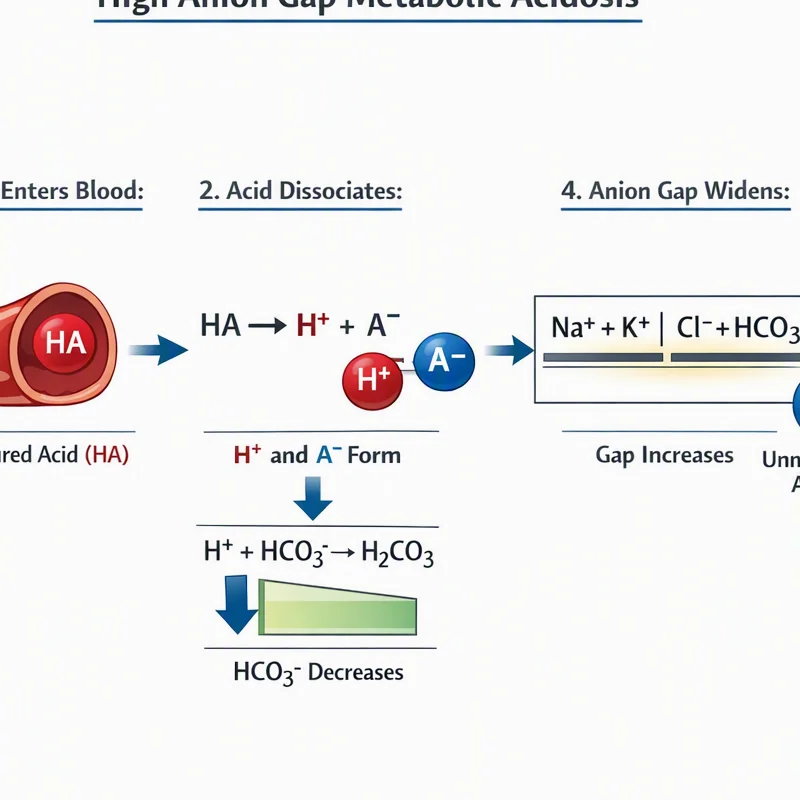
Ethylene glycol poisoning is a serious medical emergency caused by exposure to a toxic alcohol frequently used in antifreeze and some industrial products. After absorption, ethylene glycol is metabolized by alcohol dehydrogenase into acid-forming metabolites. These metabolites, especially glycolic acid and later oxalic acid, drive the development of metabolic acidosis.
The key issue is not only the initial compound but the toxic metabolites. Glycolic acid contributes directly to acid buildup and can produce a profound high anion gap metabolic acidosis. As the body accumulates these acids, bicarbonate is consumed, which lowers serum bicarbonate and worsens the acidosis. This is why patients can deteriorate quickly after a toxic ingestion, even if they initially seem only slightly unwell.
Oxalic acid adds another layer of injury. It combines with calcium and forms deposits that can lead to calcium oxalate crystals, contributing to kidney injury and potentially renal failure. This crystal deposition is a major reason ethylene glycol toxicity is associated with renal injury and increasing metabolic derangements over time.
Clinically, ethylene glycol poisoning often produces a progressive pattern. Early on, the osmotic effect of the parent compound may dominate, while later the acidic metabolites lead to profound metabolic acidosis. That progression makes timing important in both diagnosis and treatment. A patient may first show an osmolar gap, then later a rising anion gap as acid metabolites accumulate.
In practice, suspicion should rise when poisoning symptoms include altered mental status, tachypnea, vomiting, or unexplained metabolic derangement. If the history is unclear, the lab pattern may be the strongest clue.
Why the Anion Gap Increases in Ethylene Glycol Toxicity
The anion gap increases in ethylene glycol toxicity because the body collects acids that are not directly seen on routine labs. These unmeasured anions come mainly from glycolic acid and related metabolites. As acid accumulation progresses, bicarbonate is used up, chloride may not fully account for the drop, and the result is a high anion gap.
This increase is often accompanied by an osmolar gap early in the course. The osmolar gap reflects excess unmeasured particles in the serum, while the anion gap indicates excess unmeasured acids. In other words, the osmolar gap can suggest a toxic alcohol exposure, and the elevated anion gap reinforces the resulting acid-base disturbance.
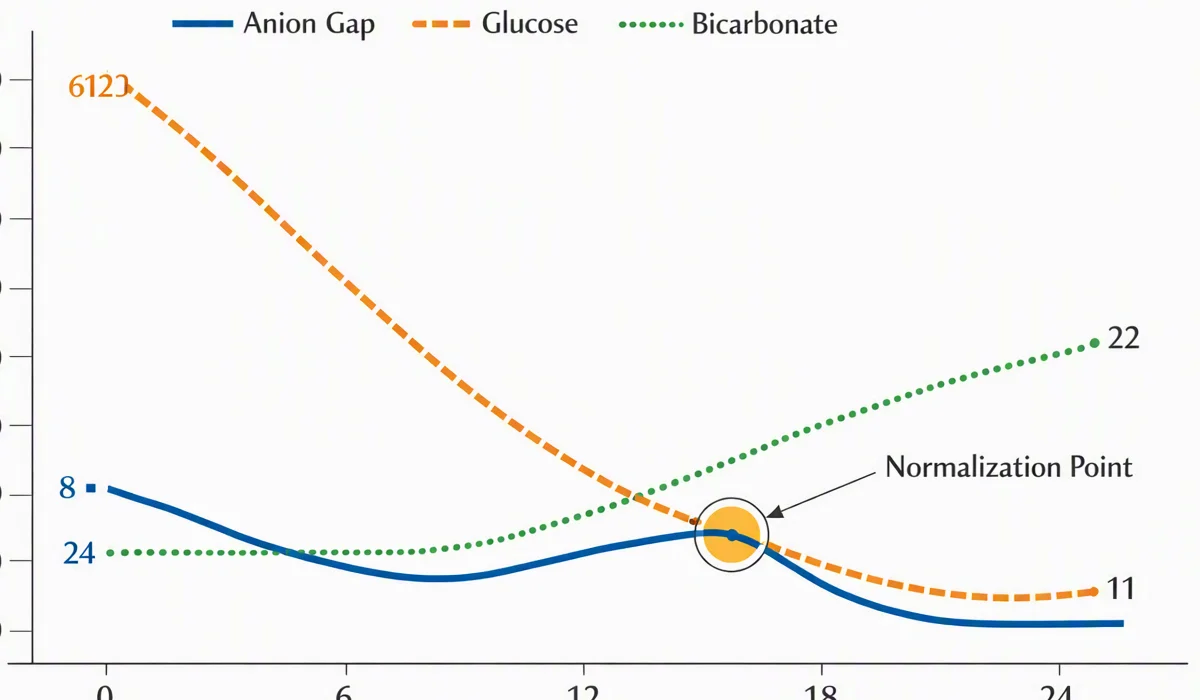
Timing matters. Right after ingestion, ethylene glycol itself raises the osmotic burden before substantial metabolism occurs. Later, as the liver converts it into acidic metabolites, the osmolar gap may decline while the anion gap climbs. This shift is a classic pattern in toxicology and is an important reason why a single normal result does not eliminate poisoning.
Because of this evolving pattern, clinicians rely on the full clinical picture rather than one isolated value. The presence of anion gap elevation, worsening acidosis, and compatible symptoms can be enough to begin treatment even before confirmatory testing returns. That approach reflects the urgency of preventing further metabolic damage and renal injury.
Ethylene glycol toxicity is therefore best seen as a dynamic process: first osmotic disturbance, then acid accumulation, then organ injury. Recognizing that sequence sharpens clinical suspicion and helps explain why both the osmolar gap and anion gap matter in laboratory interpretation.
How to Work with an Anion Gap Calculator in Suspected Poisoning
An Anion Gap Calculator is a useful tool for assessing whether a patient’s labs point to a hidden acid load. In suspected ethylene glycol poisoning, it can quickly aid early decision-making when paired with the basic metabolic panel and other clinical data. The calculator typically uses sodium, chloride, and bicarbonate values to estimate the gap.
For example, when reviewing a basic metabolic panel, you can see whether the serum bicarbonate is reduced and whether sodium and chloride create an unexpectedly large difference. A depleted bicarbonate level suggests buffering is being consumed, and if the gap is elevated, that points toward acids beyond what routine testing measures.
The value of the calculator is not just arithmetic. It helps guide laboratory interpretation in a case where symptoms may be vague. If the patient has poisoning symptoms, a history of possible ingestion, or an unexplained electrolyte imbalance, the calculated gap can support clinical suspicion for ethylene glycol exposure.
Use the result alongside other tests rather than in isolation. A high gap with low bicarbonate, abnormal acid-base balance, and an elevated osmolar gap is more alarming than any single test alone. The calculator supports pattern recognition, which is especially important in toxicology where early treatment betters outcomes.
It is also useful to remember that albumin affects the measured gap. Low albumin can reduce the apparent gap and hide clinically important acidosis. That means an apparently modest value may still be significant if hypoalbuminemia is present. In practice, the calculator is a initial guide, not a substitute for the full workup.
Additional Test Results Supporting the Diagnosis
Various additional tests can support the diagnosis of ethylene glycol poisoning. A major sign is the presence of calcium oxalate crystals in urine, which indicate oxalic acid generation and crystal buildup in the kidneys. These findings are particularly important when the diagnosis is uncertain or the exposure history is incomplete.
Kidney markers are also important. Rising creatinine can point to worsening renal injury or evolving renal insufficiency. Because ethylene glycol metabolites can damage the kidneys, changes in creatinine help reveal the systemic impact of the poisoning and may signal more advanced disease.
An arterial blood gas is another valuable test because it shows the severity of the acid-base imbalance. It can confirm acidemia, reveal respiratory compensation, and help assess how much the patient is fighting to maintain balance. In severe cases, the arterial blood gas may show significant acidosis that matches the low bicarbonate on serum testing.
Lactic acid can also be elevated, occasionally because the poison itself causes tissue hypoperfusion or interferes with metabolism. That can create a picture of lactic acidosis alongside the primary toxic alcohol effect. As a result, the lab pattern may be more complex than a single diagnosis, and the full context matters.
These abnormalities are part of the overall toxicology workup. Together, they can confirm that the patient’s metabolic derangement is not random but compatible with a specific toxic ingestion. When combined with the anion gap, they help distinguish ethylene glycol from other causes of high anion gap metabolic acidosis.
How a Normal vs. Reduced Anion Gap Can Mean
The anion gap within normal limits does not fully rule out ethylene glycol poisoning. In reality, it is sometimes present in initial poisoning before enough glycolic acid has accumulated to raise the gap. That is why timing is crucial and why a patient can look less ill on paper than they are clinically.
An apparently normal or low measurement can also be misleading if there is hypoalbuminemia. Albumin is a major unmeasured anion, so when it is low, the measured gap can appear smaller than expected. That means the underlying acid-base imbalance may still be present even though the number does not look dramatic.
Another possibility is that the poisoning is in transition. At first, the osmolar gap may be more prominent, while the anion gap is still developing. Later, as ethylene glycol is metabolized, the anion gap rises and the osmolar gap can fall. That shifting pattern is part of the classic diagnostic challenge in toxicology.
For this reason, clinicians should not dismiss ethylene glycol exposure solely because the anion gap is normal. If the history, symptoms, and other labs suggest a toxic alcohol ingestion exposure, further evaluation is warranted. The anion gap is one piece of the puzzle, not the entire picture.
In short, a normal or low result may reflect early disease, laboratory timing, or altered baseline protein levels. It should prompt careful reassessment of the overall acid-base status and associated toxicologic clues.
When to Seek Emergency Treatment
Ethylene glycol poisoning requires immediate medical attention. If ingestion is suspected, treatment should not wait for every confirmatory test to return. The condition can rapidly progress from an early osmolar disturbance to dangerous acidosis, organ injury, and life-threatening complications. Prompt action can prevent irreversible damage.
The main treatment is fomepizole, which blocks the metabolism of ethylene glycol into its toxic acids. By stopping the conversion to glycolic acid and oxalic acid, fomepizole reduces further acid accumulation and limits progression of anion gap acidosis. It is often started when clinical suspicion is high, even before the diagnosis is fully confirmed.
Hemodialysis may be needed when there is severe acidosis, worsening kidney injury, very high toxin burden, or significant metabolic derangement. Dialysis helps remove ethylene glycol and its acidic metabolites while correcting the acid-base imbalance. It is especially important when there is evidence of kidney injury or kidney failure.
Because this is a time-sensitive toxicologic emergency, any suspected case should receive immediate evaluation. That includes support from poison control and consultation with the toxicology team when available. Early recognition, lab review, and treatment can make the difference between recovery and serious complications.
If there is concern about poisoning symptoms, altered mental status, or unexplained acidosis, urgent evaluation is the safest step. Fomepizole, hemodialysis, and close monitoring are part of the treatment pathway when ethylene glycol poisoning is likely.
Frequently Asked Questions: Ethylene Glycol Poisoning and Anion Gap
How exactly does ethylene glycol poisoning affect the anion gap?
Ethylene glycol poisoning elevates the anion gap because the body converts ethylene glycol into acidic compounds, especially glycolic acid and oxalic acid. These acids produce a high anion gap metabolic acidosis by adding unmeasured anions to the blood and depleting bicarbonate.
Can ethylene glycol poisoning result in a normal anion gap early on?
That is possible. In early poisoning, the anion gap may still be normal because the toxic metabolites have not accumulated enough yet. During this stage, the osmolar gap may be more noticeable, so a normal anion gap does not exclude ethylene glycol exposure.
What’s the difference between an anion gap and an osmolar gap?
The anion gap shows unmeasured acids and is useful for identifying metabolic acidosis. The osmolar gap shows extra unmeasured particles in the serum and can point toward a toxic alcohol. In ethylene glycol poisoning, both can be abnormal at different stages.
Which lab tests help confirm ethylene glycol poisoning?
Helpful tests include a basic metabolic panel, serum bicarbonate, an arterial blood gas, creatinine, and urine microscopy for calcium oxalate crystals. Toxicology testing and an Anion Gap Calculator can support the diagnosis, but the full clinical picture is essential for accurate diagnosis.
When is fomepizole or hemodialysis needed for ethylene glycol poisoning?
Fomepizole is used when ethylene glycol poisoning is considered or confirmed to block formation of toxic acids. Hemodialysis is needed when there is severe acidosis, significant renal injury, worsening symptoms, or substantial toxin burden. Both are part of urgent treatment and should be guided by toxicology and emergency care teams.