Could Isoniazid Trigger a Increased Anion Gap?
What is anion gap and how is it calculated?
The anion gap value is a calculated gap used to aid clinicians assess acid-base balance and detect causes of acidic metabolic states. It reflects the gap between routinely measured cations and anions in the blood, which helps uncover the presence of hidden anions. An Anion Gap Calculator is a convenient way to estimate this value from standard serum chemistries, especially when assessing an acidotic state.
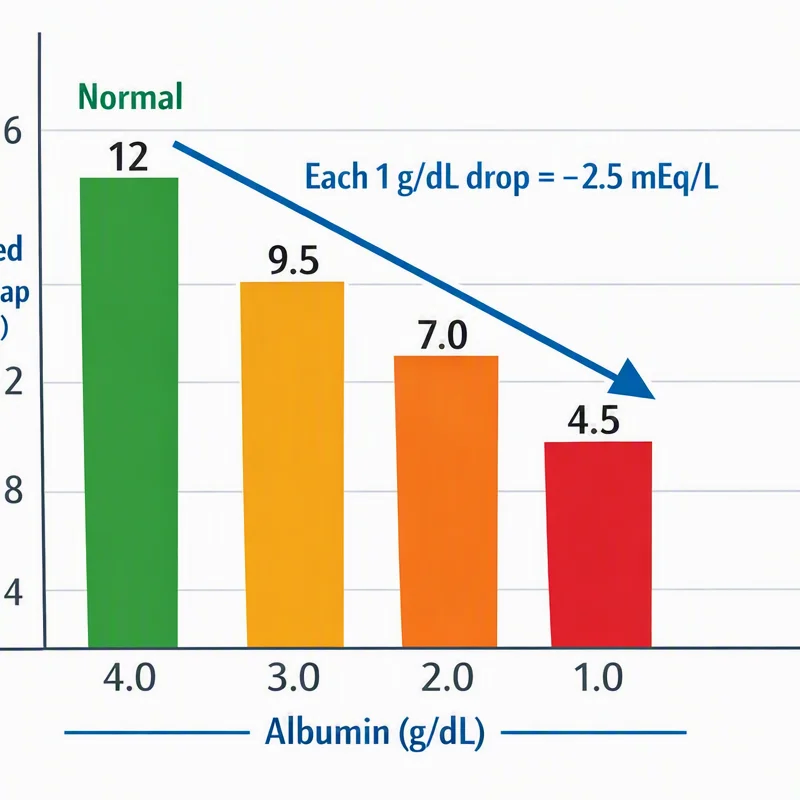
In most cases, the calculation uses sodium, chloride, and bicarbonate level. A common formula is sodium minus the sum of chloride and bicarbonate. Some versions also include serum albumin because low albumin can lower the measured gap and obscure a disorder. That is why correction of the anion gap matters when albumin is abnormal.
In everyday clinical use, the anion gap helps separate metabolic acidosis with a high anion gap from metabolic acidosis with a normal anion gap. A high gap suggests that acids or toxic metabolites are accumulating in the blood, while a normal gap often points to bicarbonate loss or impaired acid excretion without a rise in unmeasured acids.
Because the result comes from a calculation rather than a direct measurement, the value is only as helpful as the rest of the lab assessment. Interpretation should always consider the patient’s symptoms, electrolyte levels, and overall clinical picture.
How does isoniazid affect acid-base balance?
Isoniazid is a core medication in tuberculosis treatment, but in excess it can cause serious toxicity. Its primary metabolic effect is on the central nervous system and acid-base status. In an overdose scenario, isoniazid can induce seizures, profound metabolic derangement, and worsening metabolic acidosis.
The drug interferes with pyridoxine, also known as vitamin B6, which is essential for neurotransmitter synthesis and normal neurologic function. Functional vitamin B6 deficiency can develop during toxicity, making the brain more reactive and increasing the risk of seizures and coma. The resulting physiologic stress can contribute to a low pH and an abnormal anion gap.
When seizures occur, they may boost anaerobic metabolism and drive lactic acidosis. This is one reason isoniazid toxicity can cause an acidotic state rapidly. Severe cases may also involve hypotension, poor tissue perfusion, and respiratory compromise, all of which can worsen acidosis.
From an acid-base standpoint, the key issue is not only the medication itself, but the cascade it can produce: neurologic toxicity, impaired respiration, and excess lactate. That is why blood gas analysis is often useful when isoniazid exposure is suspected.

Can isoniazid cause high anion gap metabolic acidosis?
Absolutely. Isoniazid can result in high anion gap metabolic acidosis, especially in significant drug overdose or critical toxicology presentations. The main mechanism is usually indirect: fits and low oxygen delivery can raise lactate, causing a higher calculated gap.
That does not mean every person taking isoniazid will develop a high anion gap. Therapeutic use for tuberculosis treatment is generally safe when monitored appropriately. The concern arises when there is too much ingestion, poor clearance, or a mixed toxin-induced picture. In that setting, the anion gap becomes a valuable marker of metabolic burden.
There are also important alternative explanations for a high gap that must be considered. For example, pyroglutamic acid build-up can occur in some drug-related or nutritional states and is another reason of high anion gap metabolic acidosis. Clinically, however, isoniazid toxicity is more classically associated with lactate-driven acidosis rather than pyroglutamic acid.
It is also worth separating this from normal anion gap metabolic acidosis, which has a different differential diagnosis. If the gap is not elevated, the clinician should not focus solely on isoniazid alone; other acid-base disorders may be present, or the measured values may reflect the timing of measurement, treatment, or concurrent conditions.
In short, isoniazid can certainly be part of a high-gap picture, but the gap itself is a indicator, not the diagnosis. The clinical suspicion must be linked to exposure history, symptoms, and a full diagnostic workup.
What signs and lab findings might appear?
Clinical presentation may range from mild neurologic symptoms to a serious emergency. Early symptoms may include nausea, vomiting, dizziness, and agitation. As the toxicity worsens, altered mental status, seizures, and unconsciousness can develop. Breathing effort may rise, leading to fast respiration while the body tries to offset the acidosis.
In laboratory testing, clinicians often look for evidence of metabolic acidosis on blood gas testing, with low pH and decreased bicarbonate. The serum bicarbonate may be markedly decreased, and the electrolyte values may show an elevated anion gap. An elevated lactate can reinforce concern for lactic acidosis.
Additional findings may include abnormal serum chemistries, changes in potassium, and possible signs of organ stress from prolonged seizures or poor perfusion. Because acidosis changes ventilation, respiratory compensation may be present, often seen as a low carbon dioxide level on blood gas testing.
When neurologic symptoms occur with unexplained metabolic acidosis, this combination should raise concern for a toxin-related process and prompt immediate evaluation.
Practically speaking, the Anion Gap Calculator can help quickly confirm whether the pattern is high gap or not, though it should never replace bedside assessment. The presence of clinical concern is what guides the next steps.
How is isoniazid toxicity recognized and managed?
The diagnosis opens with a thorough history, because rapid recognition can be life-saving. If there is any chance of accidental or intentional drug overdose, the clinician should assume a toxic exposure until shown otherwise. The diagnostic workup typically includes blood gas analysis, glucose testing, electrolytes, renal function, lactate, and toxicology screening when appropriate.
The antidote for isoniazid toxicity is pyridoxine. It helps counteract the functional vitamin B6 deficiency created by the overdose and is essential for emergency treatment. In severe cases, repeated or large doses may be needed based on the estimated ingestion amount and clinical response.
Depending on timing and the patient’s condition, activated charcoal may be given if the ingestion was recent and the airway is protected. However, the priority is keeping stable the patient, stopping seizures, and correcting acidosis. This is where supportive care becomes crucial.
Supportive management may include oxygen, IV fluids, seizure control, and monitoring in a high-acuity setting. If the patient cannot protect the airway, has ongoing seizures, or is profoundly altered, intubation may be needed. These measures address the immediate consequences while pyridoxine works on the underlying toxicity.
Because isoniazid toxicity can evolve quickly, early recognition and emergency treatment are vital. The clinical goal is to stop seizures, improve perfusion, and correct the acidotic state before organ injury progresses.
When ought high anion gap be worked up more?
A high gap must lead to a structured evaluation rather than a one-cause assumption. The differential diagnosis is broad and includes renal failure, ketoacidosis, sepsis, salicylates, methanol, and other metabolic causes. In some cases, more than one process is present at the same time.
Renal failure can reduce acid clearance and allow unmeasured acids to build up. Ketoacidosis, whether diabetic, alcoholic, or starvation-related, is another common cause of high anion gap metabolic acidosis. Sepsis may cause lactic acidosis from poor perfusion and inflammatory stress. Methanol ingestion is particularly important because it can produce severe toxicity and vision-threatening complications.
Medication exposures should also be reviewed carefully. Salicylates can cause a mixed acid-base disorder, and toxic ingestion histories often overlap. If isoniazid is part of the history, clinicians should think in terms of the broader toxicology picture rather than assuming the elevated gap confirms one diagnosis.
The decision to investigate further depends on the extent of abnormality, symptoms, and the presence of additional clues such as altered mental status, hypotension, or worsening neurologic symptoms. A high gap that is unexplained after the first pass of testing requires a more thorough diagnostic workup, including repeat electrolytes, repeat blood gas analysis, lactate, ketones, kidney studies, and targeted toxicology testing.
The main point is that a high anion gap is a indicator of underlying metabolic derangement. It is not the final answer. When the pattern is marked or unexplained, urgent evaluation is warranted.
Frequently asked questions about isoniazid and anion gap
Is it possible for isoniazid to cause a high anion gap?
Yes, it can. Isoniazid can lead to high anion gap metabolic acidosis, especially in an overdose setting. The rise is often associated with seizures, tissue hypoxia, and lactic acidosis rather than a direct isolated effect on the anion gap.
What type of acidosis is seen with isoniazid toxicity?
The typical presentation is metabolic acidosis, often with a high anion gap. Severe toxicity may also lead to lactic acidosis after seizures or poor perfusion, which makes the acid-base disturbance more pronounced.
How does pyridoxine help in isoniazid overdose?
Pyridoxine is the antidote for isoniazid toxicity. It replenishes the depleted functional vitamin B6 and helps stop seizures, which can reduce worsening acidosis and improve the patient’s clinical state.
What tests are ordered when the anion gap is high?
Common labs include electrolytes, serum bicarbonate, blood gas analysis, lactate, kidney function tests, glucose, and toxicology studies when indicated. Albumin should also be checked because it affects interpretation of the anion gap.
When should a high anion gap be treated as an emergency?
A high anion gap is a medical emergency when it is accompanied by confusion, seizures, coma, hypotension, or suspected toxic ingestion. In those cases, immediate clinical evaluation is needed because the cause may be a life-threatening https://anion-gap-chart088.raidersfanteamshop.com/what-leads-to-a-reduced-anion-gap-an-anion-gap-calculator-guide acid-base disorder.