Anion Gap Calculator in Pediatrics: How to Assess and Interpret Results
What the Anion Gap Reflects in Children
The anion gap is a helpful way to look at the relationship between important electrolytes in the blood and to better understand acid-base balance. In pediatric patients, it is often applied as part of a larger review of serum chemistry and lab results when a clinician is trying to figure out whether there may be an electrolyte imbalance or an acid-base disorder.
Although the anion gap is not a direct reading of a specific acid, it can work as a diagnostic clue. It helps clinicians estimate whether extra unmeasured acids may be present in the blood. This makes it especially useful in pediatrics, where symptoms such as vomiting, poor intake, breathing changes, or lethargy may be related to a wider metabolic disturbance.
The concept is straightforward: the body’s major positively charged and negatively charged particles should stay in a stable relationship. The most often checked values used in this estimate are sodium, chloride, and bicarbonate. Because these are part of routine serum electrolytes, the anion gap can often be assessed from a standard blood test without any extra special collection.
In pediatrics, interpretation always depends on the overall clinical picture. A single anion gap value does not diagnose illness by itself. Instead, it gives supportive context for the full assessment, including symptoms, hydration status, and other laboratory data.
How an Anion Gap Calculator Works
An Anion Gap Calculator applies a basic calculation formula based on common blood chemistry values. In the most widely used form, the calculator subtracts the measured chloride and bicarbonate from the sodium level:
Anion gap = sodium − (chloride + bicarbonate)
This clear formula gives an anion gap value that can be compared with a reference interval or normal range. The calculation itself is easy to follow, but the clinical interpretation is where childhood context matters most.
Because the formula uses a sodium level, chloride level, and bicarbonate level, any issue affecting those numbers can change the result. For example, dehydration, fluid shifts, or changes in acid production can alter the result seen on a chemistry panel. An unexpected result may reflect actual physiology, but it can also reflect a lab measurement problem or another transient factor.
Many calculators are designed to calculate the gap quickly from an electrolyte panel, but they do not replace judgment. A calculator can be a quick aid, not a diagnosis. In children, that distinction matters because age, growth, and illness can influence the meaning of the result.
Some tools also allow a correction for albumin, since albumin contributes to the gap and can affect interpretation when it is low. That added step can be helpful when trying to understand whether a result truly reflects an acid-base disturbance or whether low protein levels are changing the reading.
Pediatric Reference Ranges and How It Changes With Age
The normal anion gap in young patients is not equivalent to the adult reference range used by every laboratory. A child reference interval may differ depending on the testing technique, the analyzer, and the local laboratory’s criteria. This is why a single number should never be read in isolation alone.
In real-world practice, the most important question is whether the value falls within the lab’s stated reference interval. Even within pediatrics, the interval may shift slightly with age, growth, and body composition. Younger children may have different expected chemistry patterns than older children, and newborns have their own separate issues. For this reason, the same anion gap measurement can have different significance depending on the pediatric patient.
When assessing a chemistry panel, clinicians look at the full picture: the anion gap, bicarbonate, chloride, sodium, and often albumin. A value that is only mildly beyond the expected range may be less concerning than one that is clearly abnormal and paired with symptoms of illness. The result is best understood as part of overall medical interpretation, not as a standalone finding.
It is also important to keep in mind that a “normal” result does not always rule out a problem. Some children with a real metabolic issue may still have a gap that appears normal if the underlying condition is early, mild, or influenced by other variables. Likewise, a borderline value may be less meaningful if the child is feeling well.
How to Interpret a Raised Anion Gap in a Child
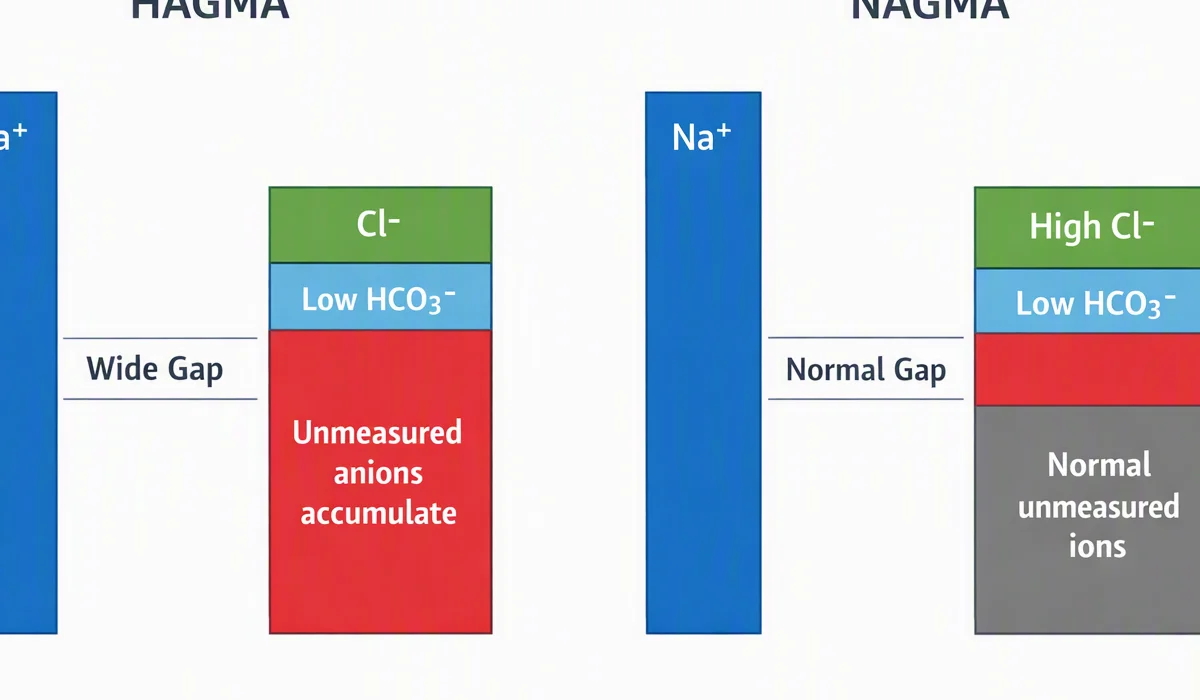
A elevated anion gap often indicates that excess acids are building up in the body. In a child, this can indicate acid-base imbalance, which is a condition where the blood becomes more acidic than expected. The anion gap does not reveal the exact cause, but it helps reduce the list of possibilities.
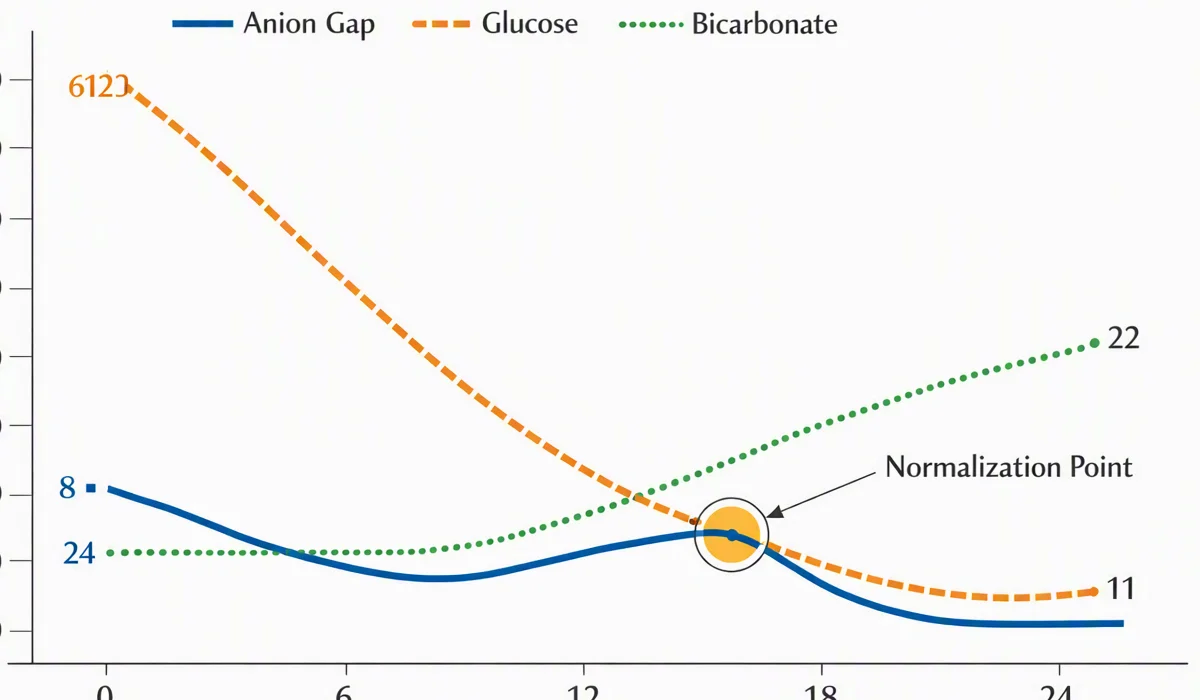
One frequent cause is the accumulation of ketones, which can happen when the body is burning fat for energy instead of using glucose normally. https://anion-gap-tool964.fotosdefrases.com/how-to-read-the-anion-gap-in-emergency-medicine This pattern is especially important in diabetic ketoacidosis, a medical emergency that can occur in children with diabetes. In that situation, the high anion gap may be one of the first laboratory clues that something serious is going on.
Other situations can also elevate the gap. Severe illness, poor intake, or abnormal tissue metabolism may result in an acid load that the body cannot quickly clear. In pediatrics, a high value should always be reviewed alongside symptoms such as rapid breathing, vomiting, abdominal pain, confusion, or unusual fatigue.
The value is best understood as a signal rather than a final answer. A child with a high anion gap may need repeat labs, blood glucose testing, or a fuller assessment of acid-base status. The result provides a diagnostic clue, but the cause must be identified through follow-up evaluation.
How to Understand a Low Anion Gap in a Child
A reduced anion gap is rarer than a higher value, but it can still be relevant. One major reason is a change in albumin, the main protein in the blood that helps maintain the usual distribution of charged particles. If albumin is low, the gap may appear reduced than expected even when the child is not acutely ill.
A low value can also occur because of laboratory error or another technical issue affecting the chemistry panel. For that reason, a surprising result should be reviewed carefully before making conclusions. Rechecking the result may be reasonable if the number does not fit the child’s condition or if the sample quality is uncertain.
In some cases, a low anion gap may point to other metabolic or measurement issues. However, in everyday child healthcare, the first steps are usually to confirm the result and review albumin, total protein, and the rest of the serum chemistry panel. The main goal is to decide whether the value represents a real body change or an unexpected result caused by testing conditions.
Because a low anion gap is often not obvious, it should not be ignored if it persists. Even so, it is usually interpreted in the context of the overall clinical picture, not as an isolated diagnosis.
Frequent Causes of Atypical Anion Gap Results
Different conditions can change the anion gap in children. The result pattern matters because it can point toward different underlying conditions affecting serum electrolytes and acid-base balance.
- Dehydration can raise blood values and influence how the chemistry panel appears, especially if the child has been losing fluid from vomiting, diarrhea, or poor intake.
- Kidney disease can impair the body’s ability to manage acids and electrolytes, which may lead to a high anion gap or other abnormalities on lab results.
- Diabetic ketoacidosis is a major cause of high anion gap metabolic acidosis in children and should be treated as an urgent condition.
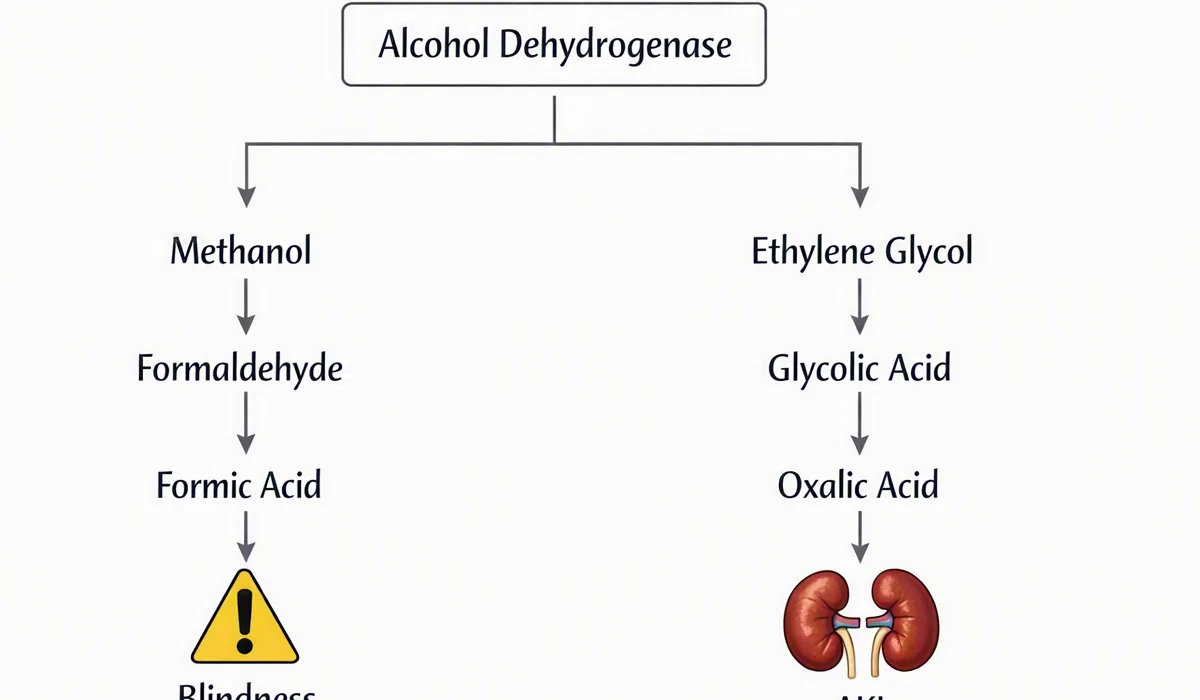
- Toxic ingestion of certain substances can affect metabolism or acid handling and may produce a significant acid-base disorder.
These conditions do not all present the same way. Certain cases lead to obvious symptoms, while others are first noticed on a blood test ordered for another reason. This is why the anion gap is useful as a screening tool: it may reveal a clue before the full story is clear.
Still, the result is only a single part of the evaluation. A child with dehydration may improve quickly with appropriate care, while a child with kidney disease or toxic ingestion may need urgent evaluation. The number alone cannot separate these possibilities.
How to Use the Result Safely
An Anion Gap Calculator can be an effective way to assess whether a child’s lab values suggest a typical pattern or potential acid-base disturbance. But safe use means understanding its limits. The calculator should be paired with the full electrolyte panel, the child’s symptoms, and guidance from a pediatrician or other qualified clinician.
Before drawing conclusions, verify that the blood test values are current and from a reliable source. Small changes in the sodium, chloride, or bicarbonate levels can alter the calculation. If the child is sick, the numbers may change over time, which is why repeat lab results are sometimes necessary.
If the result is abnormal, the next step is usually not to self-diagnose. Instead, it may lead to a focused medical review, which can include checking blood glucose, ketones, kidney function, hydration status, and sometimes a more detailed acid-base assessment. This is especially important when the child has symptoms such as confusion, fast breathing, severe vomiting, or reduced alertness.
Parents and caregivers should think of the calculator as a screening aid that helps organize information. It can support questions like, “Does this chemistry panel fit with a metabolic problem?” or “Is there a reason to ask for a follow-up evaluation?” That approach is much safer than using the number by itself to make decisions.
If a child has concerning symptoms, the best action is to contact a clinician promptly. A calculator can help interpret context, but it cannot replace medical judgment, physical examination, or a full review of the blood test.
Common Questions About Anion Gap in Children
How is an anion gap calculator used in children?
An anion gap calculator is used to estimate the anion gap from standard blood chemistry values such as sodium, chloride, and bicarbonate. In children, it helps screen for possible electrolyte imbalance or acid-base disorder and may provide a useful diagnostic clue when reviewing lab results. It does not diagnose a specific illness on its own.
What is a normal anion gap range for children?
The normal range varies by the laboratory’s pediatric reference range and the analysis method used. Children may have somewhat different reference values than adults, so the lab’s stated interval should always direct the interpretation. A result should be reviewed in context with the full serum chemistry panel and the child’s symptoms.
What causes a high anion gap in a child?
A high anion gap can occur when extra acids build up in the body, leading to metabolic acidosis. Common causes include diabetic ketoacidosis, kidney disease, critical illness, and some forms of toxic ingestion. Ketones are an especially important clue when the body is burning fat for fuel instead of glucose.
Can a low anion gap be serious in children?
A low anion gap is often not as urgent than a high one, but it can still matter. It may be related to low albumin, a testing issue, or in uncommon cases another medical problem. Because laboratory error can also cause an unexpected result, repeat testing or follow-up review may be needed if the number does not fit the clinical picture.
Should parents rely on an anion gap calculator without a doctor?
No. Anion Gap Calculator should not replace a pediatrician or other clinician. It can help estimate a value from a blood test, but interpretation requires supportive context, including the child’s symptoms, other lab values, and the broader clinical situation. It is a screening tool, not a diagnosis.